La Roche-Posay Cleanser Guide: Which One Is Right for You?
La Roche-Posay offers facial cleansers for dry, sensitive, normal, oily and acne-prone skin across its Toleriane and Effaclar families. This guide compares hydrating, milky, foaming, gel, cream and micellar formulas, explaining how their textures, ingredients and cleansing strength differ. It also covers salicylic acid options and helps shoppers choose based on skin type and individual tolerance.
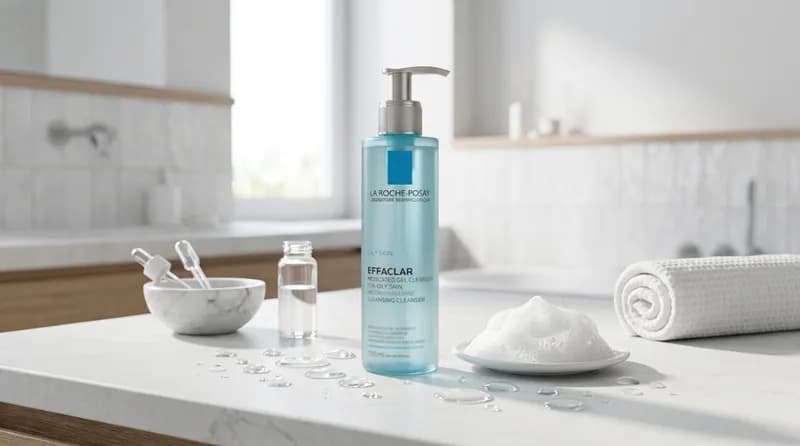
La Roche-Posay takes a more skin-concern-focused approach to facial cleansers than many mainstream skincare brands. Its current lineup is centered largely around the Toleriane and Effaclar families, with options ranging from rich, non-foaming cleansers for dry and sensitive skin to foaming formulas for oilier complexions and active cleansers designed for blemish-prone skin. The brand also offers micellar water and newer specialized textures, giving shoppers more choices than the traditional “gentle versus foaming” split.
The biggest strength is that the products generally have clearly defined purposes. The biggest challenge is that several formulas can sound similar on the shelf, particularly within the Toleriane range. Choosing correctly requires paying attention to skin type, texture, cleansing strength, and active ingredients rather than simply choosing the product with the most familiar name.
Overall Lineup Rating: 4.5/5
Cleanser Range Explained
La Roche-Posay's cleanser lineup can broadly be divided into Toleriane gentle cleansers, Toleriane foaming cleansers, Effaclar oil-focused cleansers, and Effaclar acne-focused cleansers.
The Toleriane family is primarily concerned with gentle cleansing and sensitive-skin compatibility. The Toleriane Hydrating Gentle Facial Cleanser is designed for normal-to-dry skin and has a cream texture rather than a traditional foaming wash. It contains glycerin, niacinamide, ceramide-3, and the brand's thermal spring water.
The newer Toleriane Moisturizing Milky Facial Cleanser takes the gentle approach even further. With only nine ingredients, including glycerin and thermal spring water, it is specifically positioned for dry, sensitive, and allergy-prone skin. It is fragrance-free and designed to cleanse without leaving the skin feeling stripped.
For normal-to-oily skin, the Toleriane Purifying Foaming Face Wash offers a more traditional lathering experience. It combines niacinamide and ceramide-3 with a foaming cleanser designed to remove excess oil while maintaining the skin's moisture barrier.
The Effaclar range shifts the emphasis toward oil, shine, pores, and blemish-prone skin. The Effaclar Gel Cleanser for Oily Skin is a foaming gel intended to remove excess sebum without an excessively dry finish.
There is also the Effaclar Cream Cleanser for Oily Skin, which uses a cream-to-foam texture and includes salicylic acid. This gives oily-skin shoppers an interesting alternative to the standard gel cleanser, although its fragrance means it is not the obvious choice for everyone with sensitive skin.
Toleriane Hydrating and Milky Cleansers
The Toleriane Hydrating Gentle Facial Cleanser is one of the clearest choices for normal-to-dry skin. Its cream texture produces little of the dramatic lather associated with foaming washes, but that is intentional. The formula is designed to clean away dirt, makeup, and impurities while maintaining the skin's natural moisture barrier and pH.
The newer Moisturizing Milky Facial Cleanser is even more minimalist. Its nine-ingredient formula is particularly interesting for consumers who want a very simple cleansing step. It can also be used around the eyes and is designed to remove makeup without the typical foaming-cleanser sensation.
The two products overlap considerably, so they should not be treated as completely different categories. The more meaningful distinction is texture and formulation philosophy. The Hydrating Gentle Cleanser provides the familiar cream-cleanser experience, while the Milky Cleanser is the more stripped-down option.
Skin Compatibility: 4.5/5
Hydration: 4.5/5
Toleriane Purifying Foaming Face Wash
For combination, normal, and oily skin, the Toleriane Purifying Foaming Face Wash makes more sense than the richer Toleriane options. It produces a noticeable foam and is designed to remove excess oil while maintaining the skin's moisture barrier.
Its combination of niacinamide, ceramide-3, glycerin, and thermal spring water gives it a more balanced formulation than a cleanser focused purely on degreasing. La Roche-Posay describes it as fragrance-free, oil-free, non-comedogenic, soap-free, and sulfate-free.
The main advantage is therefore not simply stronger cleansing. It is the combination of a refreshing foaming texture with a formulation aimed at sensitive skin.
Cleansing Performance: 4.5/5
User Experience: 4.5/5
Effaclar Cleansers for Oily Skin
The Effaclar range is where the differences become more substantial.
Effaclar Gel Cleanser for Oily Skin uses a foaming gel format and is intended for oily, shiny, and sensitive skin. Its primary job is straightforward: remove excess oil and impurities without making the cleansing experience excessively harsh.
The Effaclar Cream Cleanser for Oily Skin offers a different texture. It begins as a cream and develops into a soft, rich foam. Its ingredient list includes glycerin and salicylic acid, with the latter positioned around exfoliation and the appearance of clogged pores. However, it also contains fragrance.
That makes the choice relatively practical. If you mainly want oil removal and a conventional foaming cleanser, the Effaclar Gel is the simpler fit. If you want a richer cream-to-foam texture and are interested in salicylic acid, the Cream Cleanser offers something different.
Effaclar Medicated Acne Face Wash
For acne-prone and oily skin, the Effaclar Medicated Acne Face Wash is the most targeted cleanser in the lineup. It contains 2% salicylic acid, along with lipo-hydroxy acid and glycerin. La Roche-Posay positions it for concerns including clogged pores, whiteheads, excess oil, and uneven texture.
This is not simply a stronger version of the regular Effaclar cleanser. The active ingredient changes its purpose. Salicylic acid is commonly used in products targeting clogged pores and oily skin, while glycerin helps provide a more balanced cleansing experience.
The formula does contain sodium laureth sulfate and menthol, so shoppers who are particularly sensitive to certain cleansing or sensory ingredients may prefer a simpler Toleriane product.
Ingredient Quality: 4.0/5
Cleansing Performance: 4.5/5
Micellar Water Options
La Roche-Posay also sells Toleriane Micellar Water, a no-rinse cleanser designed for sensitive skin. It uses micelles to attract dirt, oil, and makeup and can be used on the face, eyes, and lips. The current formula contains glycerin and thermal spring water, but it also contains fragrance, so “micellar” should not automatically be interpreted as fragrance-free.
For oily skin, Effaclar Micellar Water takes a similar approach but includes zinc PCA and is specifically positioned for oily, shiny skin. It is also fragrance-containing.
These products make the most sense when convenience or makeup removal is important. They are not necessarily replacements for a traditional rinse-off cleanser in every routine.
Sensitive Skin and Irritation
Sensitive-skin shoppers should look beyond the product family name.
The Toleriane Hydrating Gentle Cleanser, Toleriane Purifying Foaming Face Wash, and Toleriane Milky Cleanser are all positioned around sensitive skin, but their textures and cleansing profiles differ. The Milky Cleanser is particularly notable for its short, fragrance-free ingredient list.
By contrast, some Effaclar products contain fragrance, acids, menthol, or stronger cleansing ingredients. That does not automatically make them unsuitable for sensitive skin, but it means individual tolerance matters more.
A cleanser containing salicylic acid can make sense for oily or blemish-prone skin, but adding multiple exfoliating products to the same routine may make the overall routine less comfortable. Skin tolerance should be considered alongside the cleanser's intended purpose.
Which Cleanser Should You Choose?
Best suited for dry skin: Toleriane Hydrating Gentle Facial Cleanser or Toleriane Moisturizing Milky Facial Cleanser.
Best suited for very simple, fragrance-free cleansing: Toleriane Moisturizing Milky Facial Cleanser.
Best suited for normal-to-oily skin: Toleriane Purifying Foaming Face Wash.
Best suited for oily skin: Effaclar Gel Cleanser for Oily Skin.
Best suited for oily skin with interest in salicylic acid: Effaclar Cream Cleanser for Oily Skin.
Best suited for acne-prone skin: Effaclar Medicated Acne Face Wash.
Best suited for makeup removal or no-rinse cleansing: Toleriane Micellar Water.
Best suited for oily skin and convenient makeup removal: Effaclar Micellar Water.
Pros and Cons
Pros
Clear separation between dry, sensitive, oily, and blemish-focused products
Strong selection of fragrance-free gentle cleansers
Multiple textures, including cream, milky, gel, foam, and micellar formats
Useful active-ingredient options for oily and blemish-prone skin
Many formulas combine cleansing with barrier-conscious ingredients
Cons
The Toleriane range has noticeable overlap
Some Effaclar products contain fragrance or more active ingredients
Micellar water options can be confusing if shoppers expect every formula to be fragrance-free
Specialized acne cleansers may be unnecessary for people who simply want a basic daily wash
Value for Money
Current official pricing places several core La Roche-Posay facial cleansers around the $19.99 level, including the Toleriane Hydrating Gentle Cleanser, Toleriane Purifying Foaming Face Wash, Toleriane Moisturizing Milky Cleanser, and Toleriane Micellar Water, although sizes and pricing vary by product.
That puts the brand above the most basic drugstore cleansers, so the value depends heavily on whether the specific formulation matches your needs. Paying more for a specialized cleanser can make sense when you want targeted acne or oily-skin features, but there is little reason to choose a more complicated formula if a basic gentle cleanser already works for you.
Value for Money: 4.0/5
Bottom Line
La Roche-Posay's cleanser lineup is strongest when you choose by skin type rather than by brand reputation alone. Toleriane focuses on gentle, barrier-conscious cleansing, with the Hydrating and Milky formulas aimed toward drier skin and the Purifying Foaming cleanser better suited to oilier complexions. Effaclar adds stronger oil-control and acne-focused options, including a 2% salicylic acid cleanser.
The biggest weakness is overlap, particularly among gentle cleansers. The easiest way to narrow the range is to start with three questions: Is your skin dry or oily? Do you prefer a cream or foam? Do you actually need an active ingredient?
Overall Rating: 4.5/5
Related GuidesMore →
BYOMA Facial Cleansers Guide: Ingredients, Textures and Skin Types
BYOMA offers several facial cleansers designed around different cleansing needs, from the everyday Creamy Jelly Cleanser to richer Milky Oil and Melting Balm formulas and the salicylic acid Blemish Acne Clearing Cleanser. This guide compares their textures, ingredients, skin-type targeting, cleansing performance, and value to help you choose the BYOMA cleanser that best fits your skincare routine.
CeraVe Facial Cleanser Buying Guide: Hydration, Acne and More
CeraVe offers a wide range of facial cleansers designed for different skin types, textures and concerns. This guide compares Hydrating, Foaming, Cream-to-Foam, Foaming Oil, SA and acne-focused cleansers, along with newer formats such as Air Foam and Cleansing Balm. Learn how their textures, active ingredients and intended uses differ so you can choose a cleanser that fits your routine.
Logitech Mouse Guide: Choosing Between MX, ERGO, Signature and G
Logitech’s mouse lineup spans productivity, ergonomics, portability and gaming, but the differences between series are not always obvious. This guide breaks down the MX, ERGO, Signature, Pebble and Logitech G families, comparing their designs, controls, connectivity, software and performance. It also explains which features matter for office work, travel, competitive gaming and everyday computing.